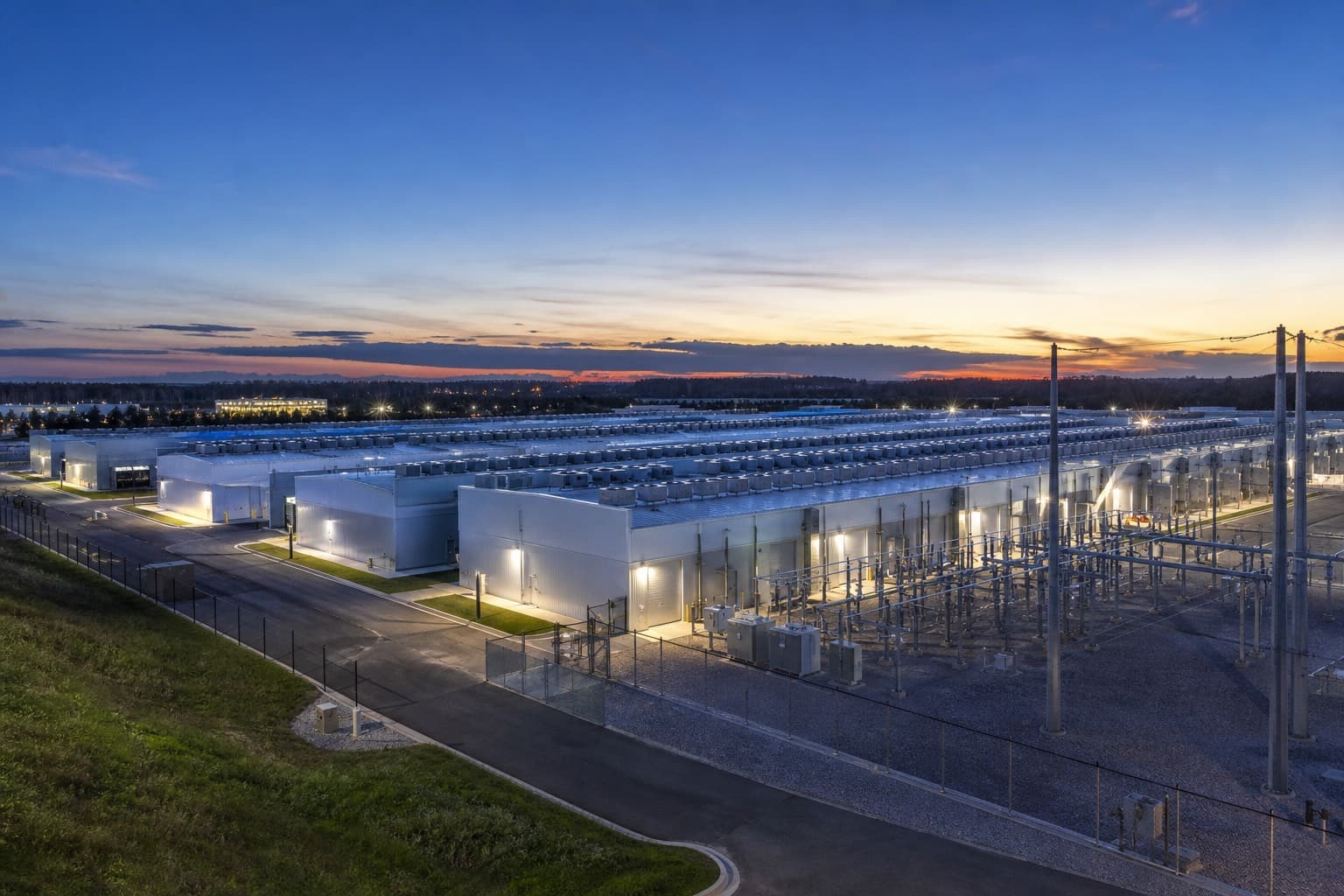
Data centers financed $92 billion in debt in 2025, and 2026 underwriting has shifted: capital is no longer the constraint. Power is.
On this page
Data centers financed $92 billion in debt in 2025, and 2026 underwriting has shifted meaningfully: capital is no longer the constraint. Power is.
How these deals are structured
Most data center construction financing runs through a special purpose vehicle (SPV), with lenders underwriting projected cash flows backed by long term hyperscaler leases rather than the sponsor's balance sheet. That structure supports leverage of 60% to 80% loan to cost, which is high for commercial real estate, while ring fencing risk away from the sponsor's other assets.
Typical deal terms
| Feature | Typical range |
|---|---|
| Construction loan term | 12 to 36 months |
| Leverage (loan to cost) | 60% to 80%, preleased |
| Interest structure | Interest only during draw; term loan post CO |
| Common structure | Senior debt + mezzanine or preferred equity |
The real underwriting bottleneck
Power access, not capital availability, is now the single most scrutinized risk factor in 2026. Electrical grid interconnection can take up to four years in some markets, pushing sponsors toward "bring your own power" solutions and forcing lenders to underwrite documented utility commitments and realistic energization schedules before anything else.
Deal sizes are wildly skewed
The average committed data center loan ran $1.2 billion in 2025, but the median was just $40 million, meaning a small number of hyperscale deals are pulling the average far above what most borrowers actually see. A recent example: DataBank secured a $2.0 billion construction loan in April 2026, led by MUFG Bank, for three preleased buildings on a Dallas area campus already backed by an investment grade tenant.
Where the capital comes from
Bank led syndicated facilities remain the cost efficient default, but private credit and infrastructure debt funds are increasingly active on construction and mezzanine tranches, offering speed and flexible draw schedules at a higher price. Stabilized, cash flowing portfolios are also reaching the CMBS and ABS markets for takeout financing.
How Lev helps
Lev connects data center sponsors and developers to construction lenders, mezz providers, and takeout capital sized to power status, tenant credit, and leverage needs.
Data: PeerSense, S&P Global, Foley & Lardner, DataBank. As of Q1 to Q2 2026.
Another perspective.
All articles
What Is DSCR? How Lenders Calculate Debt Service Coverage in 2026
Debt service coverage ratio (DSCR) is the single number most commercial real estate lenders lean on to answer one question: can this property pay for its own debt? Here's how it's calculated, what lenders expect in 2026, and why it matters more than your credit score on most commercial deals.
Office-to-Residential Conversions in 2026: Pipeline, Incentives, and Financing
The national office-to-residential conversion pipeline grew to 90,300 units — up 28% year over year. Here's who's leading, which city incentives are driving deals, and what lenders want to see.
5 Types of Commercial Real Estate Loans, Compared
Not all commercial real estate debt works the same way. Here's how the five most common CRE loan types compare on rate, leverage, and use case, based on current market pricing.