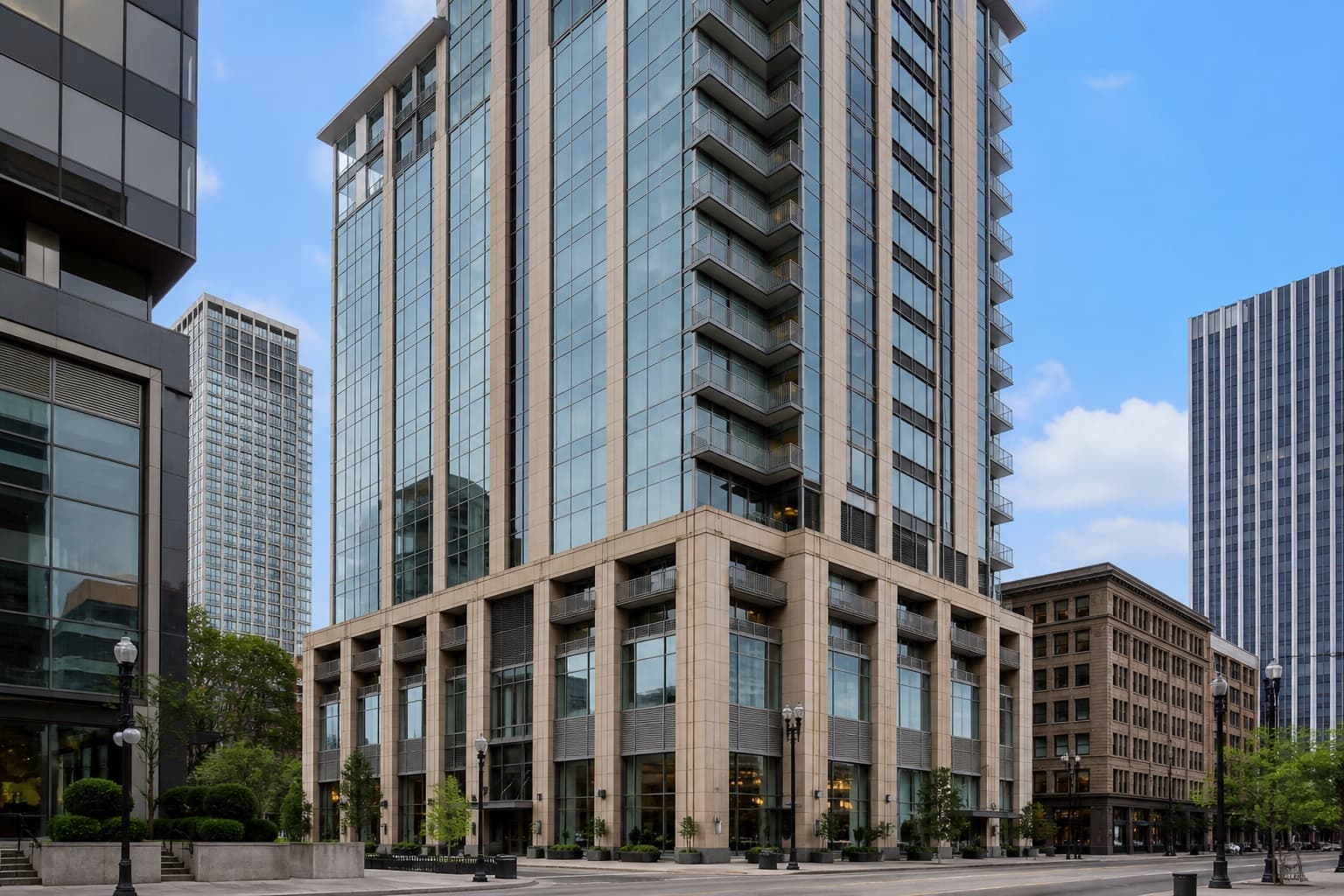
Office-to-residential conversions stopped being a niche play in 2026. The national pipeline grew to 90,300 units at the start of the year — up 28% year over year — and the financing behind it is now as much about city incentive programs as it is about construction debt.
Who's leading the pipeline
| City | Units in Conversion Pipeline |
|---|---|
| New York City | 16,358 |
| Washington, D.C. | 8,479 |
| Chicago | 4,360 |
The incentive stack driving deals
- New York's 467-m program offers up to 35 years of tax exemption, provided at least 25% of new units are income-restricted
- Boston's Downtown Conversion Program provides a 75% property tax abatement for 29 years via a PILOT agreement, and cut permitting from 18 months to roughly six
- Chicago has allocated $260 million in tax increment financing across five downtown office-to-residential projects
- Washington, D.C.'s Housing in Downtown program offers a 20-year abatement targeting 15,000 new downtown residents
Why the math can work
Conversions typically cost 20% less than ground-up construction in some markets, partly because existing parking and structure are reused. Per-unit costs still run $300,000 to $500,000+ depending on floorplate depth and how much structural retrofitting is required — deep Midtown-style floorplates with little natural light in the building's core remain the hardest and most expensive to convert.
What lenders want to see
Because these deals stack construction debt, tax credits (Historic Tax Credit, LIHTC), and city abatements, lenders underwrite conversions more like a layered capital structure than a standard construction loan — sponsor experience with adaptive reuse, a confirmed incentive package, and a realistic lease-up timeline all carry outsized weight.
How Lev helps
Lev helps sponsors structure conversion financing across construction debt, bridge-to-perm takeout, and layered public incentives — and matches them to lenders with adaptive reuse experience.